Case Studies / Technology
Smart Tracking for Everything You Value
Novatore helped AirBolt, an Australian smart device brand, build the web platform and device back end behind its GPS trackers, smart travel locks and digital access cards.
0+
Customers using AirBolt devices
0%
Device connectivity uptime
0%
Shorter location sync delay
0x
Device types: trackers, locks, cards, wallets
Executive Summary
AirBolt makes rechargeable GPS trackers, smart travel locks and tracking cards that help travelers, pet owners, cyclists and car owners find and protect what matters to them. Every device depends on software to stay connected and show its location. Novatore designed and developed the web platform and device connectivity back end using React, Vue and Node.js.
The Challenge
Connected Devices Need Reliable, Real-Time Data.
A tracker or smart lock is only useful if it stays connected and shows where your belongings are.

Unreliable connections
Devices had to stay connected while moving across locations and networks.

Delayed location updates
Users needed to see where their luggage, pets or bikes were in near real time.

A growing product range
Trackers, locks, cards and wallets all had to work from one platform.
Our Solution
One Platform for Every AirBolt Device.
We built a scalable web platform and device back end on React, Vue and Node.js.
Outcome
Reliable Tracking, Stronger Protection.
AirBolt customers get dependable tracking and secure access for their most valued belongings.

High Uptime
Device connectivity uptime of 99–99.5%.

Faster Updates
Location sync delays cut by 40–50%.
Trusted at Scale
The platform supports more than 60,000 AirBolt customers.
Peace of Mind
Travelers and pet owners can see where things are at any time.
Ready for New Products
A back end that supports new devices as the range grows.
Tools & Tech Stack
Technologies We Build With


Results
Proven Builds, Not Just Prototypes
Real projects, real outcomes, from AI-powered platforms to products used every day.
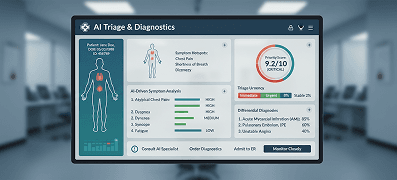
AI-Powered Triage System for Regional Hospital Network
AI-driven triage system for a regional hospital network. Cut ER wait times by 62% and tripled diagnostic throughput.
Symptom Triage
62% reduction
System Efficiency
3x faster
Challenge: Regional hospital teams faced long emergency-room wait times and fragmented symptom-assessment workflows that slowed diagnosis and patient routing.
Solution: We built an AI-powered triage platform that analyzes symptoms, prioritizes clinical urgency, and routes patients through one coordinated diagnostic workflow.
Result: The platform reduced ER wait times by 62% and made diagnostic throughput three times faster.
Read Case Study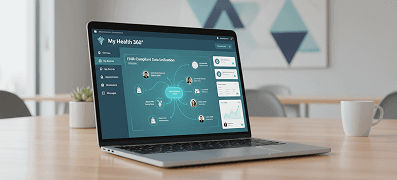
FHIR-Compliant Data Unification Platform
Unified patient records across 12 hospital systems using FHIR standards. Achieved 100% data interoperability with real-time EHR sync.
Symptom Triage
100% unified
System Efficiency
EHR sync
Challenge: 12 disconnected hospital systems stored patient records in incompatible formats, forcing clinicians to manually reconcile data across platforms.
Solution: We built a FHIR-compliant integration layer that unifies patient records in real time and syncs directly with each hospital's EHR system.
Result: Achieved 100% data interoperability across all 12 systems with live EHR synchronization.
Read Case Study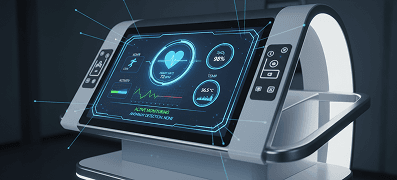
Remote Patient Monitoring for Chronic Care
IoT-enabled remote monitoring platform for chronic care patients. Reduced hospital readmissions by 40% with 24/7 vital tracking.
Symptom Triage
40% reduction
System Efficiency
24/7 tracked
Challenge: Chronic care patients required frequent in-person visits to track vitals, straining clinical staff and delaying early intervention.
Solution: We built an IoT-enabled remote monitoring platform that streams vital signs to care teams around the clock.
Result: Reduced hospital readmissions by 40% with continuous 24/7 vital tracking.
Read Case Study